
Last updated September 10, 2026
Full 25-point door and opener safety check with every visit - springs, cables, rollers, tracks, and your LiftMaster or Chamberlain opener included
You get a price before we start. It does not change when the truck arrives.
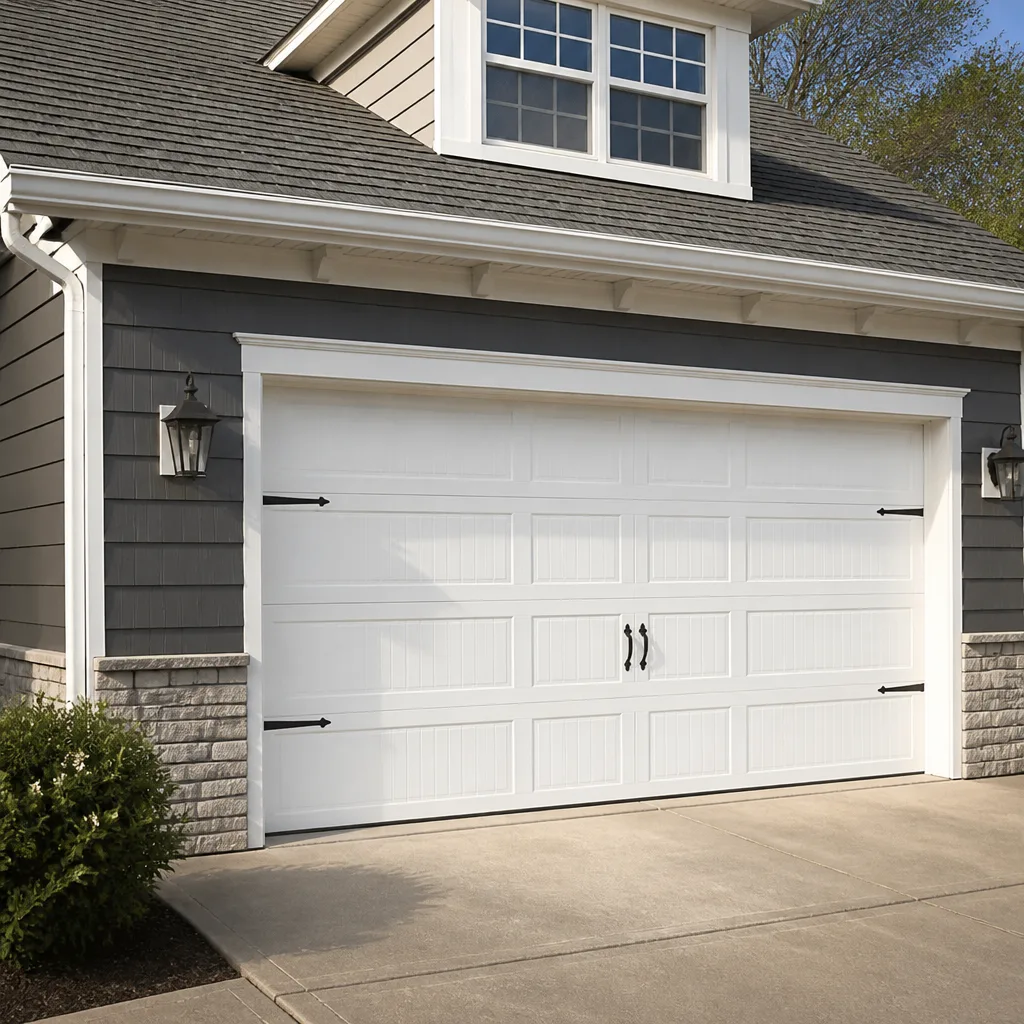
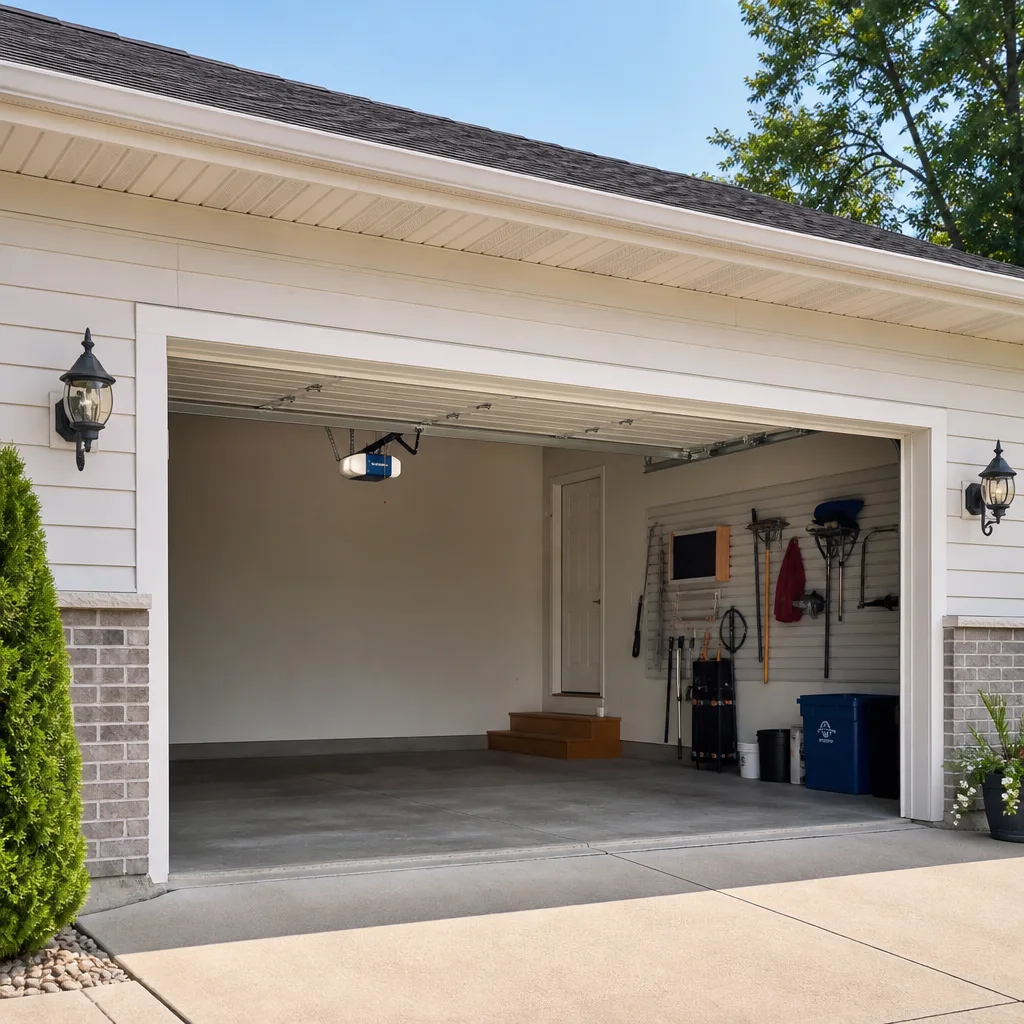
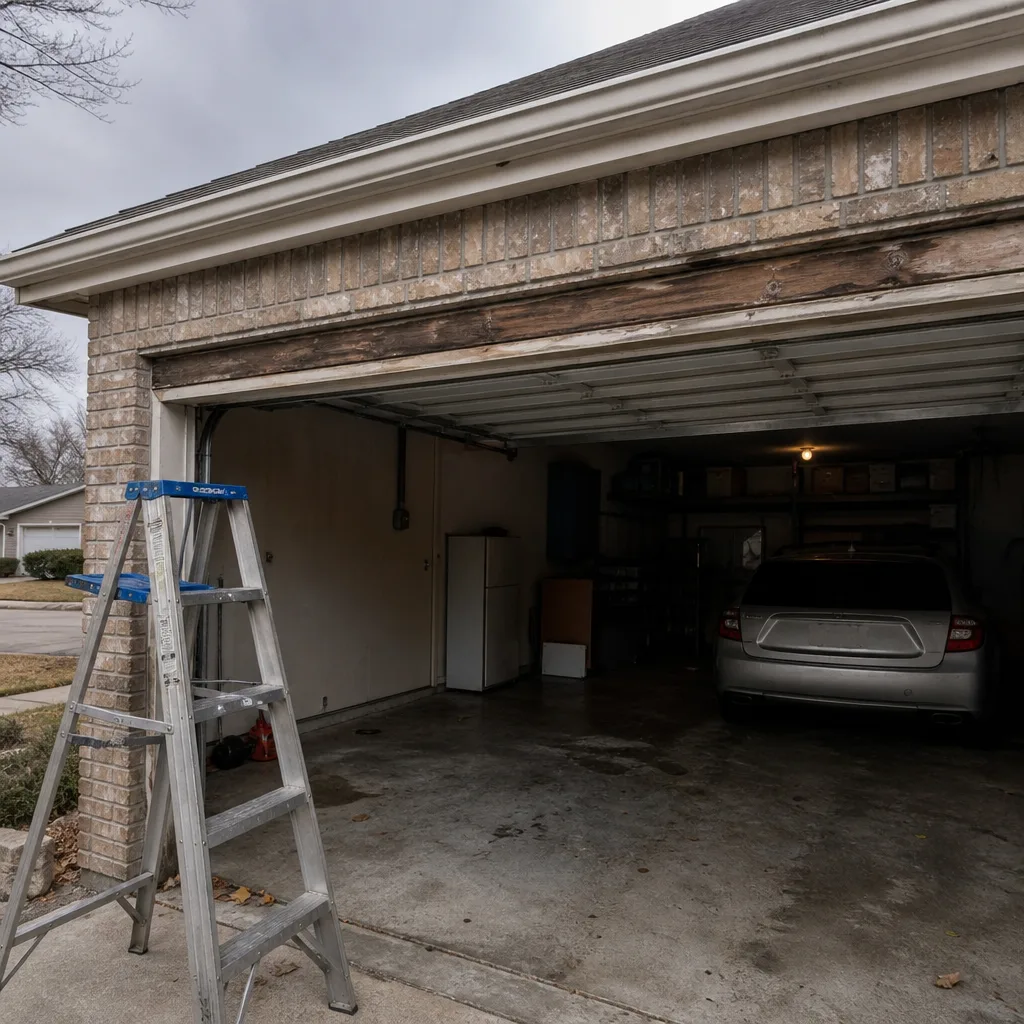 Before
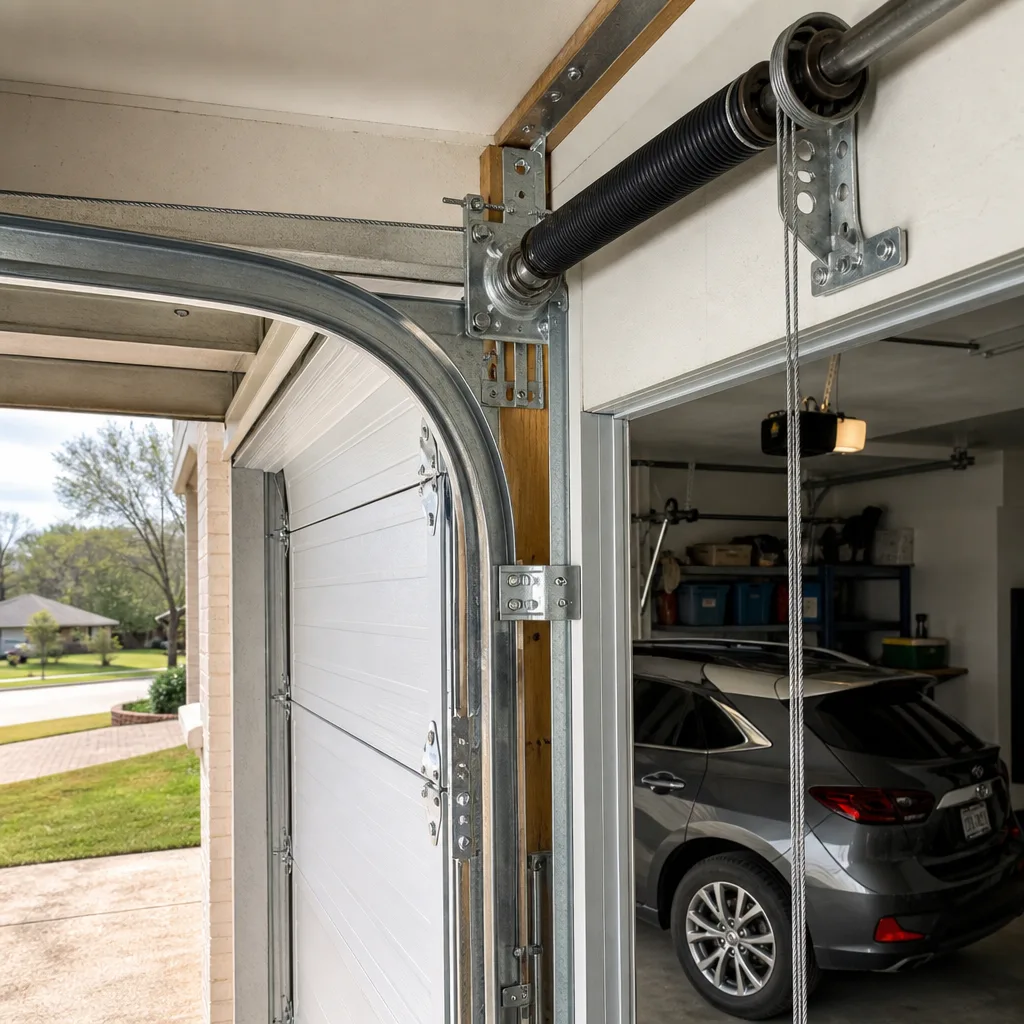 After
After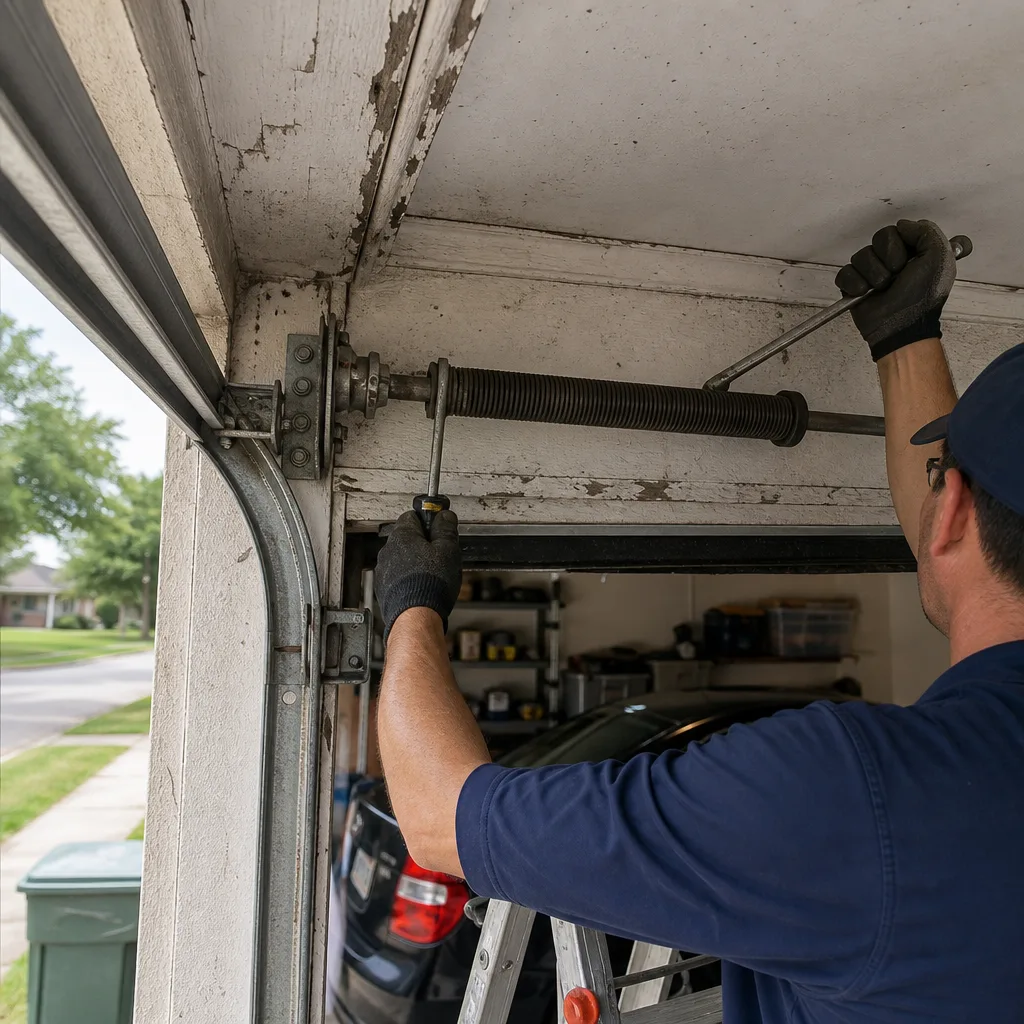 Before
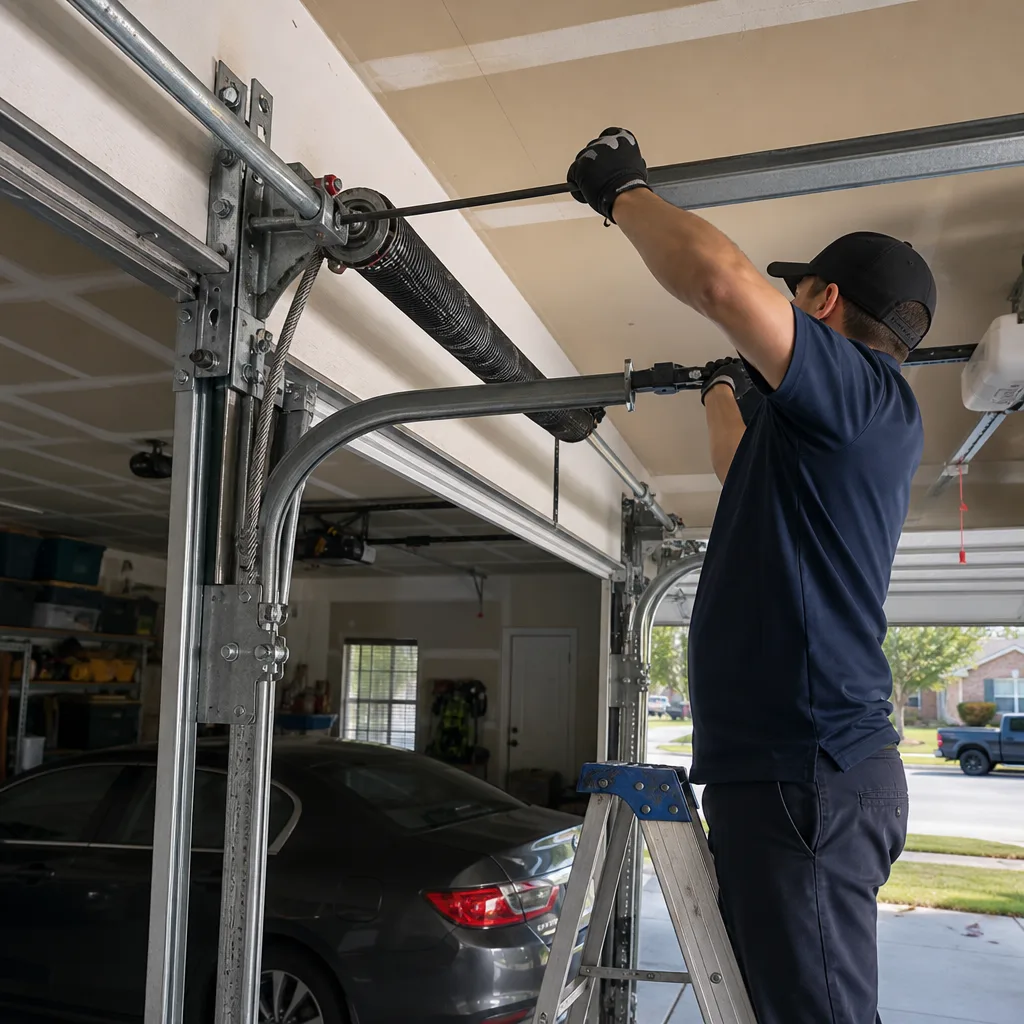 After
After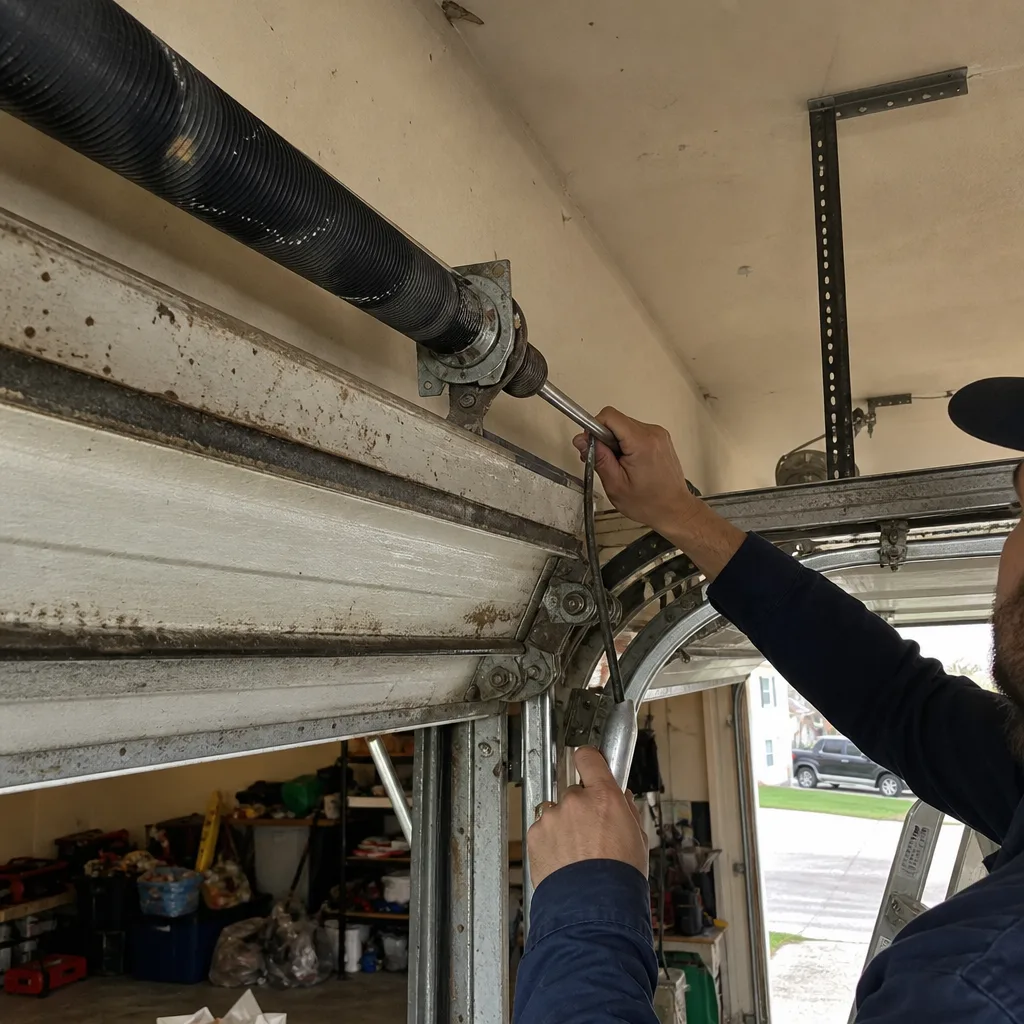 Before
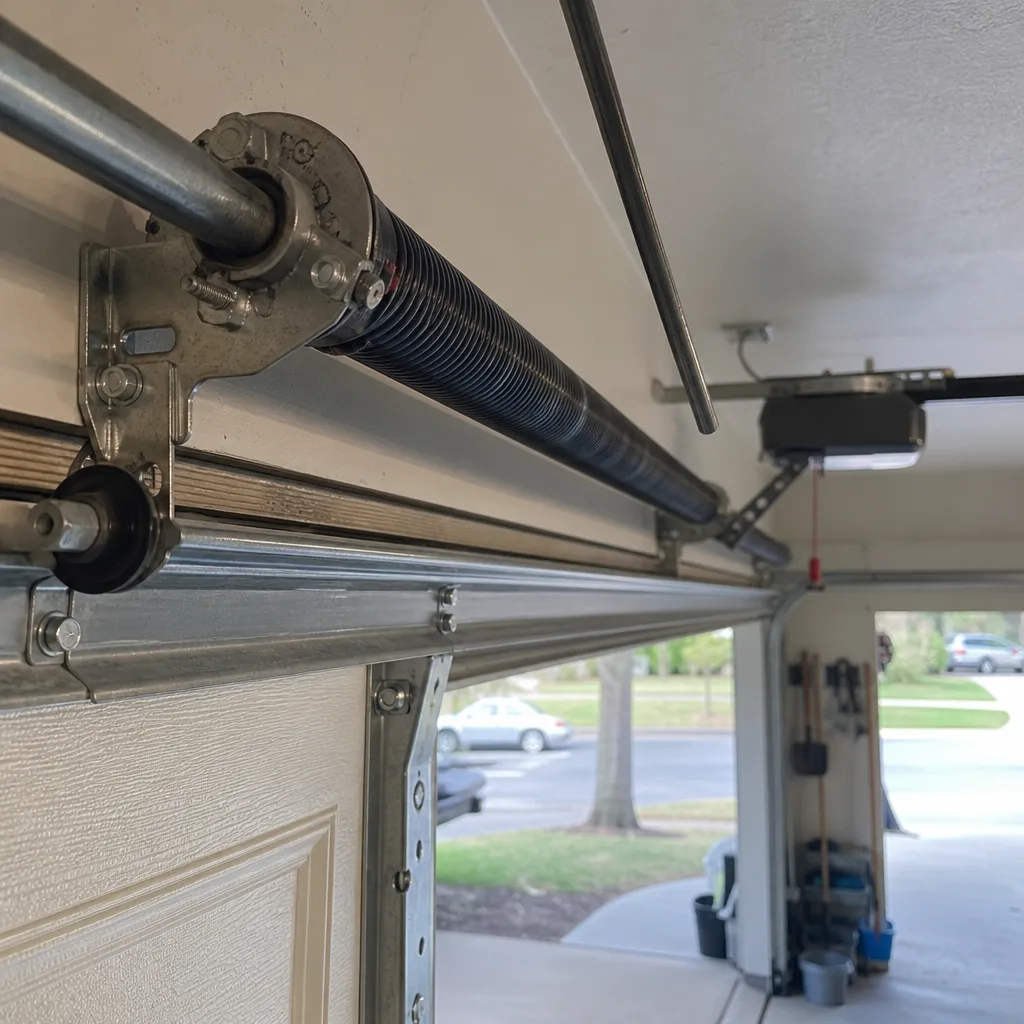 After
AfterGarage Door Permits, Codes & Inspections in TX: What You Need to Know
An unpermitted garage door replacement in Arlington won’t land you in court - but it can kill a home sale, void your homeowner’s insurance claim after wind damage, and leave you personally liable if the door injures someone. In our 42 years of working across Tarrant County, we’ve seen sellers lose buyers over a $150 permit that was never pulled, and we’ve seen insurers deny claims because the door lacked the required wind-load rating sticker. This guide explains exactly when Arlington requires a permit for garage door work, how to pull one yourself, what inspectors actually check, and how to fix unpermitted work before it costs you. For garage door warning signs every Arlington homeowner should watch for, see our dedicated reference guide.
Quick Answer
Most garage door replacements in Arlington require a residential building permit through the City’s Development Services Department, while spring repairs and opener swaps typically do not. The permit costs roughly $150-$250 for a standard residential door, and the inspection focuses on header structural integrity, wind-load compliance, and safety reverse function. If you’re selling your home, unpermitted door work must be disclosed or retroactively permitted to avoid liability.
Table of Contents
- When Is a Garage Door Permit Required in Arlington?
- How to Pull a Residential Garage Door Permit in Arlington
- What Arlington Inspectors Actually Check
- Texas Fire Code: The Attached Garage Rule Most Homeowners Miss
- Wind-Load Requirements for Tarrant County
- Unpermitted Work: How to Fix It Before Selling
- DIY Permitting vs. Hiring a Contractor Who Handles It
- Common Mistakes to Avoid
- When to Call a Professional
- Frequently Asked Questions
- The Bottom Line
When Is a Garage Door Permit Required in Arlington?
The threshold for permitting garage door work in Arlington comes down to one question: are you altering the structure, the opening, or the wind-load rating of the door assembly? If yes, you need a permit. If no, you generally do not.
Here’s how Arlington Development Services draws the line in practice:
- Full door replacement: Permit required. Even if the opening stays the same size, you’re changing a rated building component. The new door must carry a wind-load sticker and match or exceed the existing header capacity.
- Structural header modification: Permit required. Widening the opening, replacing a wood header with steel, or altering load paths triggers structural review.
- Spring or cable repair: No permit. These are maintenance items on the existing door system. We complete these daily across Arlington neighborhoods like Pantego, Dalworthington Gardens, and the Interlochen area with no city involvement.
- Opener replacement or repair: No permit, provided you do not modify electrical circuits beyond a simple plug-in swap. Hardwiring a new opener into the panel may require an electrical permit separately.
- Panel replacement (same model/size): Gray area. If you’re swapping a dented Clopay panel for an identical panel, most inspectors won’t flag it. Changing panel style or insulation rating technically requires permit verification.
Arlington’s residential permit threshold aligns with the 2021 International Residential Code (IRC), which Texas adopted with state amendments. The city does not actively patrol for unpermitted work - enforcement is complaint-driven or triggered at sale. That lulls homeowners into skipping the step, which becomes a problem when the title company runs a permit history.
One Arlington-specific factor: the city’s rapid growth in the 1980s and 1990s means many homes in southwest Arlington and the Matlock area were built before current wind-load standards. Replacing an original door from 1987 with a modern unit almost always requires permitting because the wind-load rating jumps from zero to a certified figure. We’ve walked homeowners through this dozens of times. The permit is not optional if you want the door to be legal.
How to Pull a Residential Garage Door Permit in Arlington
You do not need a permit expediter or contractor license to pull a homeowner permit in Arlington. The process is straightforward and takes about 30 minutes online if you have your documents ready.
- Gather your paperwork. You’ll need: the property address, your driver’s license, a site plan or rough sketch showing the garage location on the lot, the door manufacturer’s specification sheet (showing dimensions, wind-load rating, and UL listing), and a header sizing calculation if you’re altering the opening. Most major brands - Clopay, Amarr, Wayne Dalton - publish these sheets on their websites by model number.
- Log into Arlington’s Development Services portal. Search “Arlington TX Development Services” and use the Citizen Self-Service portal. Create an account if you don’t have one. The system accepts PDF uploads up to 25MB per file.
- Select “Residential Building Permit” and “Garage Door Replacement.” If the system doesn’t list this exact category, choose “Residential Alteration” and describe the scope in the notes field.
- Enter the project valuation. Use the installed cost of the door and opener, not just material. Arlington’s permit fee is calculated as a percentage of project value, typically $150-$250 for a standard residential replacement in the $1,200-$2,500 range.
- Upload your documents and submit. The city aims for a 3-business-day turnaround on residential permits with complete paperwork. Incomplete submissions sit in review until you respond.
- Schedule inspection after installation. You’ll receive an inspection card with your permit. Call the inspection line or use the online scheduler. Arlington offers next-day inspection slots in most cases.
One practical note: if you’re working in an older Arlington neighborhood like Handley or the original 1950s sections near Park Row, your garage may lack the required 4-inch concrete curb between the slab and living space. The inspector will flag this. It’s not a garage door issue per se, but it blocks permit approval. We’ve seen homeowners scramble to pour a curb after the fact. Check this before you start.
The permit fee is non-refundable if you abandon the project, but it’s transferable to a new contractor if you switch mid-job. Keep your permit number. You’ll need it for the final inspection and for your records at sale.
What Arlington Inspectors Actually Check
Arlington building inspectors conduct a visual and operational inspection that typically takes 15-20 minutes. They are not trying to fail your project. They are verifying that the installation meets life-safety and structural standards. Here’s what they actually look at:
- Header clearance and bearing. The header above the door opening must bear on jack studs or be supported by a steel lintel with adequate span rating. For a 16-foot double door, that usually means a minimum 2×12 header or engineered equivalent. Inspectors measure the actual span and check for cracks in the surrounding drywall that suggest settling or overload.
- Spring system type and containment. Extension springs must have safety cables running through the center. Torsion springs must be mounted on a solid steel shaft with end bearings. The inspector won’t test spring torque - that’s beyond the scope - but will verify that the hardware is rated for the door weight shown on the manufacturer’s sticker.
- Opener safety reverse function. The inspector places a 2×4 flat on the floor in the door path and cycles the opener. The door must reverse within 2 seconds of contact. They also test the photoelectric eyes: interrupt the beam during closing, and the door must reverse immediately. We test these on every Garage Door Opener in Arlington call before we leave, so our customers never fail this check.
- UL-rated hardware and wind-load sticker. Every component - hinges, rollers, tracks, brackets - must carry a UL or equivalent listing mark. The door itself needs a visible wind-load rating sticker, usually affixed to the interior face. Tarrant County requires doors to withstand 90 mph 3-second gusts for standard residential construction; some zones near Lake Arlington and floodplains require 110 mph.
- Emergency release accessibility. The red manual release handle must hang within 6 feet of the floor and be clearly visible. We’ve found installations where the opener rail was mounted too high or the handle was tucked behind insulation. The inspector will flag this.
- Fire separation (attached garages only). This overlaps with the next section, but inspectors verify that any door connecting the garage to living space is fire-rated and self-closing. The garage door itself is not fire-rated, but the inspector notes whether the garage meets separation requirements.
In our experience, the most common failure points in Arlington are: missing wind-load stickers (suppliers sometimes forget to apply them), extension springs without safety cables (common in DIY installations), and photoelectric eyes mounted more than 6 inches above the floor (the 2010 UL 325 update lowered this from 6 inches to 4 inches, but Arlington enforces the stricter of the two). A failed inspection requires re-inspection, which carries a fee around $50. Schedule the correction promptly - Arlington voids permits if no inspection is called within 180 days of issuance.
Texas Fire Code: The Attached Garage Rule Most Homeowners Miss
Texas adopts the International Residential Code Section R302 with minimal amendment. Section R302.5 governs fire separation between attached garages and dwelling units. Most Arlington homeowners focus on the garage door itself and never consider this adjacent requirement - but the inspector will.
The rule is simple and strict: any door, window, or duct opening between an attached garage and the living space must be protected. Specifically:
- The door between garage and house must be 20-minute fire-rated, solid wood 1-3/8 inches thick, or steel. Hollow-core interior doors are prohibited.
- That door must be self-closing or kept closed. Spring hinges or a closer are required.
- Ductwork penetrating garage walls must be minimum 26-gauge steel, not flexible duct.
- Any openings in the garage ceiling (for pull-down stairs, for example) must be sealed or fire-rated if they lead to living space above.
Here’s where this catches Arlington homeowners: you’re replacing your garage door, not your interior door, so you assume the fire code doesn’t apply. But the garage door permit inspection includes a general garage safety review. If the inspector spots a hollow-core door between your garage and kitchen, or a missing self-closing hinge, they can fail the entire permit until you fix it.
We’ve been in Arlington homes in the Viridian development and the newer sections of southwest Arlington where builders installed attractive but non-compliant interior doors. The homeowner never knew. When they go to replace the garage door at age 20, the permit inspection surfaces the issue. Budget $200-$400 for a fire-rated steel door and closer if yours doesn’t meet code.
This is not an arbitrary rule. Garage fires generate toxic smoke rapidly. The 20-minute rating gives occupants time to evacuate and limits fire spread. In our 42 years, we’ve seen two garage fires in Arlington where the fire-rated door performed exactly as designed. Both families got out.
Wind-Load Requirements for Tarrant County
Tarrant County sits on the southern edge of Tornado Alley. Arlington’s building code reflects this with specific wind-load requirements for garage doors, which are the largest opening in most home envelopes and the most vulnerable to failure.
The current standard: residential garage doors must withstand a 90 mph 3-second gust wind speed for Risk Category II buildings (typical single-family homes). Certain zones - including areas near Lake Arlington with higher exposure - require 110 mph. Your permit application must specify which zone your property falls into. Arlington’s Development Services can confirm this by address.
Wind-load compliance is verified by:
- A permanent sticker on the interior face of the door showing the design pressure rating (usually 15-20 psf for 90 mph, 25-30 psf for 110 mph)
- Track mounting to wood or steel jambs with proper fasteners - not drywall screws, which pull out under load
- Adequate strut reinforcement on wide doors (14-foot and 16-foot units typically need at least one horizontal strut)
- Proper engagement of the door with the track and rollers under deflection
After the 2019 tornado outbreak across North Texas, we saw a spike in Arlington homeowners whose older doors failed at the track mounts. The doors themselves were intact, but the tracks ripped from the jambs because the original builder used inadequate fasteners. When we replace these, we always use lag bolts into solid framing, not the original short screws. The inspector checks for this.
One practical point: if you’re replacing a door after wind damage, your insurance adjuster may ask for the wind-load sticker. If the original installation was unpermitted and lacks the sticker, you may face a coverage dispute. Permitting the replacement protects you.
Unpermitted Work: How to Fix It Before Selling
Unpermitted garage door work surfaces at two moments: when you file an insurance claim after damage, and when you sell. The sale is more common, and more urgent.
Arlington title companies routinely run permit histories through the city’s open records. A garage door replacement with no corresponding permit raises a red flag. The buyer’s lender may require permit clearance before funding. In a tight sale timeline, this can cost you the buyer.
Here’s how to handle it, based on what we’ve seen work:
- Check your own permit history first. Call Arlington Development Services or use the online portal with your address. Ask for all residential permits on file. This is free and takes 48 hours.
- If the work is truly unpermitted, you have three paths: retroactive permitting, disclosure with price adjustment, or removal and reinstallation with proper permit. The third is rare and expensive.
- Retroactive permitting: Arlington allows this for work up to 5 years old, provided the installation meets current code. You’ll pay the original permit fee plus a penalty of roughly 50%. The inspector examines the installed door as if it were new. If it meets code, they issue the permit retroactively. If not, you must bring it into compliance or remove it.
- Disclosure: Texas Property Code requires sellers to disclose known material defects, which includes unpermitted structural work. Your real estate attorney can draft specific language. Some buyers accept this with a credit; others walk. In Arlington’s competitive market, disclosure without a permit often costs $2,000-$5,000 in negotiated credits.
- Fix first, then permit: If the original installation is substandard - wrong header, missing wind-load sticker, non-compliant hardware - we can remove and reinstall correctly with a fresh permit. This costs more than retroactive permitting but guarantees compliance. We’ve done this for sellers in Rush Creek, Forest Hills, and the Pantego area who needed clean title for closing.
One Arlington-specific wrinkle: homes in the 1980s and 1990s built by certain regional developers often have 2×10 headers over double doors, which was acceptable then but fails current span tables. Retroactive permitting triggers the current code, so the inspector may require header reinforcement. Budget $400-$800 for this if your home falls in this category. We can assess this during a free estimate.
The cleanest path is always to permit new work correctly. If you’re reading this before replacing your door, pull the permit. If you’re reading it after, call Arlington Development Services Monday morning and start the retroactive process. The longer you wait, the harder it gets.
DIY Permitting vs. Hiring a Contractor Who Handles It
Texas does not require a contractor license for garage door work. Anyone can pull a homeowner permit and install their own door. The question is whether you should. If you’re unsure, read our guide on how to hire a garage door contractor in Arlington for step-by-step guidance.
DIY permitting makes sense if you’re handy, have time for the process, and are doing a straightforward swap with no structural changes. The savings are the permit fee only - contractors don’t mark up permits. Where DIY goes wrong is in the details: header sizing, spring torque calculation, wind-load verification, and inspection prep. We’ve been called to Arlington homes where the homeowner installed a fine-looking door that failed inspection three times for issues a professional would have caught.
Hiring a contractor who handles permitting offers:
- Correct permit classification on the first try
- Pre-submission document review (manufacturer specs, header calculations)
- Installation that anticipates the inspection checklist
- Single-point responsibility if something fails
At Mainspring Garage Door Co. home, we pull permits for every Arlington installation that requires one. We submit the paperwork, meet the inspector, and handle any corrections. The homeowner signs the permit application as required by law, but we manage the process. This is included in our installation price, not added as a line item.
One distinction: some Arlington handymen offer to “take care of the permit” but pull it in the homeowner’s name without proper contractor insurance. If the installation fails and causes damage, you have no recourse. Verify that any contractor who handles permitting carries general liability and workers’ compensation, and that their license status (if applicable for electrical or structural work) is current. We carry full coverage and provide certificates on request.
The 90-Day Done Right Promise applies to permitted and unpermitted work alike, but permitted work is easier to stand behind. The inspection is an independent verification that we did it right. We like that.
Common Mistakes to Avoid
- Assuming repair equals replacement for permitting. Arlington homeowners often think a full door swap is “just a repair” because the old door was broken. It’s not. If the door leaf, track, and hardware are new, it’s replacement and requires a permit.
- Using a handyman who skips permits to underbid. We’ve seen $800 “installed” quotes in Arlington that omitted the permit, used non-wind-load doors from big-box surplus, and left homeowners with no inspection card. The door fails at the first storm, and the installer is gone.
- Ignoring the interior garage-to-house door. You focus on the shiny new Raynor or Craftsman garage door and forget the 30-year-old hollow-core door to the kitchen. The inspector won’t forget. Check it before you schedule inspection.
- Throwing away the wind-load sticker. That small adhesive label on the interior door face is your proof of compliance. Paint over it, peel it, or lose it, and you have no verification. Photograph it at installation and keep the image with your permit paperwork.
- Waiting until listing week to check permits. Retroactive permitting in Arlington takes 2-4 weeks if corrections are needed. Start the process as soon as you consider selling. We’ve had sellers in the Interlochen area delay closing by three weeks over a $200 permit issue.
- Installing a door rated for 90 mph in a 110 mph zone. Lake Arlington and certain floodplain-adjacent properties have higher requirements. The cheaper door won’t pass inspection, and the supplier may not take it back once cut to size. Verify your zone before ordering.
When to Call a Professional
Call a professional when the work involves structural modification, when you need the permit handled correctly, or when the door system includes high-tension torsion springs. These springs carry the full weight of the door and can cause serious injury if released improperly. We do not recommend DIY spring work under any circumstances.
Also call when you’re preparing to sell and discover unpermitted work. A professional assessment tells you whether retroactive permitting is feasible or whether removal and reinstallation is the cleaner path. We’ve guided dozens of Arlington homeowners through this decision.
Garage Door Installation in Arlington from Mainspring Garage Door Co. includes permit handling, inspection scheduling, and the 90-Day Done Right Promise in writing. We arrive with the right parts on the truck, state the flat price before any work begins, and stand behind every job. Call (817) 241-8437 for a free estimate. A live person answers, 24/7.
Frequently Asked Questions
A standard residential garage door replacement permit in Arlington costs approximately $150-$250, calculated as a percentage of total project value. Retroactive permits add a penalty of roughly 50%. Call Arlington Development Services at (817) 241-8437 for an exact quote based on your scope.
No, provided you do not modify the home’s electrical circuits beyond a simple plug-in replacement. Hardwiring a new opener into the electrical panel requires a separate electrical permit. We handle opener swaps daily across Arlington without city permits.
Yes, if the title company runs a permit history, which most do. Unpermitted work must be disclosed under Texas Property Code or corrected through retroactive permitting. We’ve seen sales delayed or renegotiated over this in Arlington’s Viridian, Forest Hills, and Matlock areas.
The inspector issues a correction notice with specific deficiencies. You have 180 days to correct and schedule re-inspection, which carries an additional fee around $50. Common failures include missing wind-load stickers, non-compliant spring safety cables, and photoelectric eyes mounted too high. Call (817) 241-8437 if you need corrections handled professionally.
Yes, Tarrant County requires garage doors to withstand minimum 90 mph 3-second gust winds, with 110 mph in certain exposure zones near Lake Arlington. The door must carry a visible wind-load rating sticker. This became enforceable under the 2015 IRC adoption and remains in effect.
Homeowners can pull their own permits in Arlington. Contractors may also pull permits on behalf of the homeowner with proper authorization. At Mainspring, we handle the paperwork and inspection scheduling as part of our installation service. You sign the application, we manage the rest.
The Bottom Line
Garage door permits in Arlington are not bureaucratic obstacles. They are inexpensive insurance against sale delays, coverage disputes, and liability. Pull the permit for any full replacement, verify your wind-load zone, check your interior fire door, and keep your paperwork. If you discover unpermitted work, address it before listing - retroactive permitting is cheaper than a lost buyer. For work that requires professional installation, choose a contractor who handles permits, carries proper insurance, and stands behind the job in writing. That’s the square deal. Browse more guides & resources on garage door care and Arlington home maintenance.
Written by Carl Dutton, Owner at Mainspring Garage Door Co., serving Arlington since 2016.